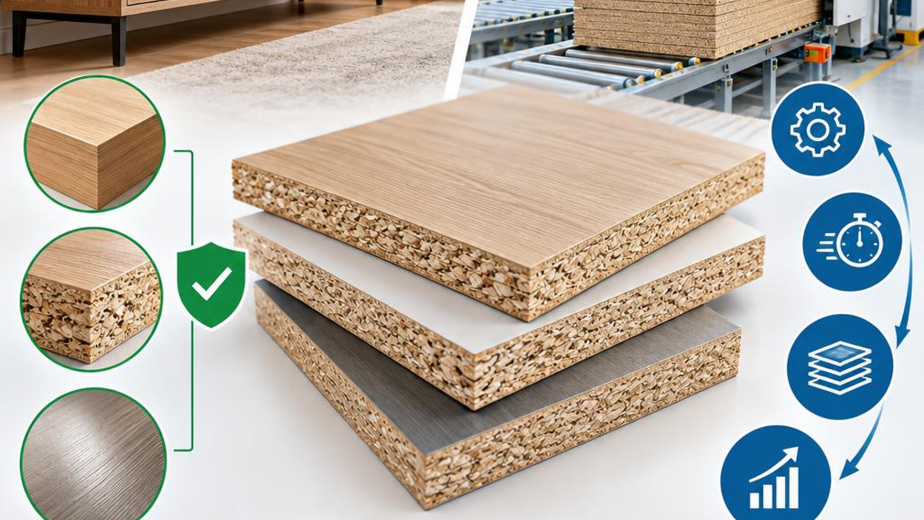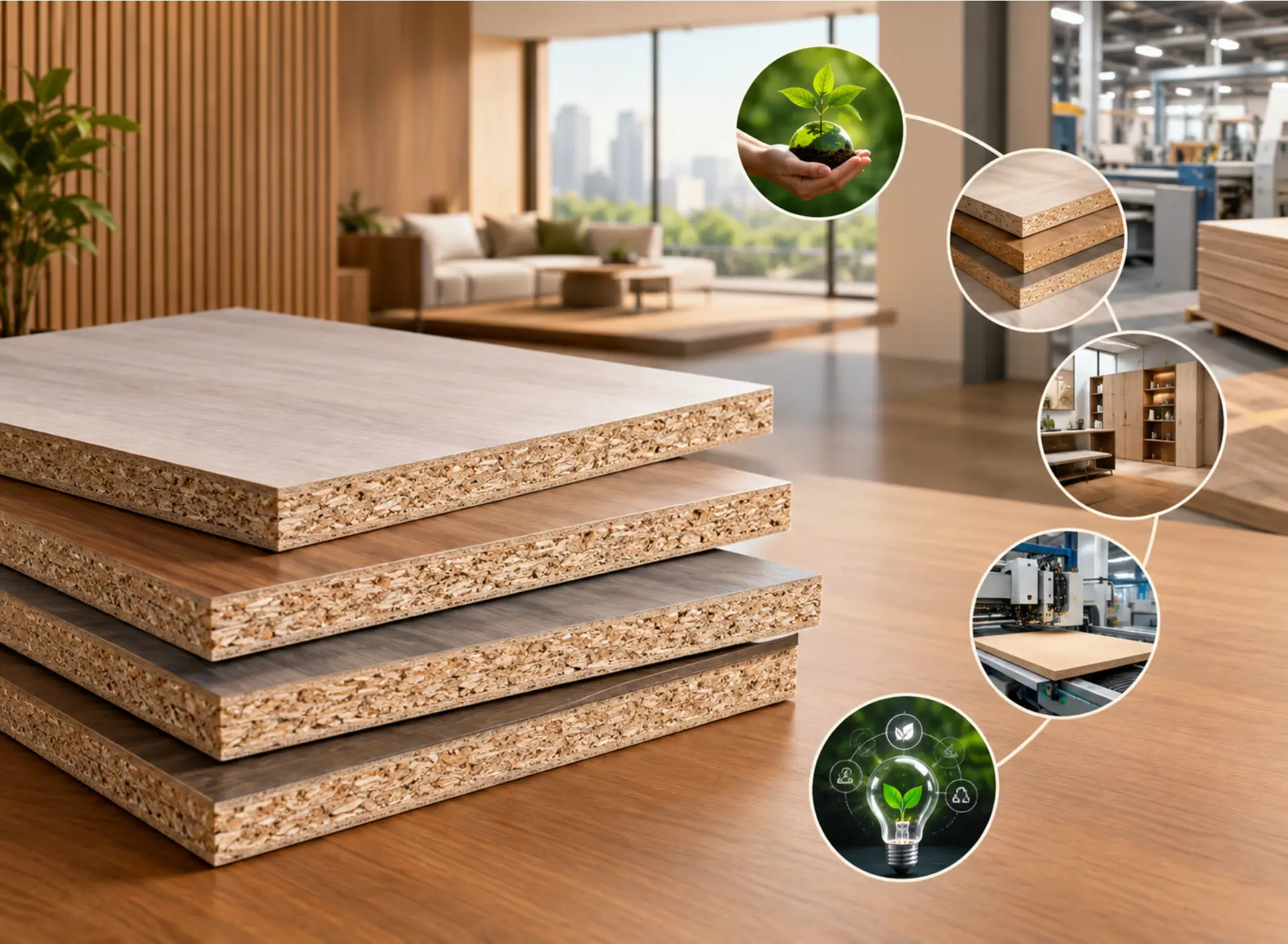
Ten years ago, particleboard suffered from a poor reputation. It was the material you settled for when you couldn’t afford “real wood”; functional, cheap, and not something anyone bragged about. Walk into a furniture showroom or an architect’s office today, and that conversation has completely flipped. Particleboard, and engineered wood more broadly, isn’t the fallback option anymore. In many cases, it’s the first choice.
As we head deeper into 2027, a handful of shifts are shaping where this industry goes next. Some are driven by regulation, some by changing customer expectations, and some just by manufacturers getting better at what they do. Here’s what’s actually moving the needle.
1. Sustainability Stops Being a Marketing Line and Becomes a Requirement
For years, “eco-friendly” was something companies put on a label because it sounded good. That’s no longer optional window dressing; it’s turning into a baseline expectation, and in some cases, a regulatory one.
Green building certifications are becoming a standard part of commercial and even residential construction bids, and materials with a documented lower environmental footprint have a real edge in getting specified. Agro-waste-based board made from crop residue like rice husk, wheat straw, and bagasse instead of felled timber fits squarely into this shift. It’s not just a nice story anymore; it’s becoming a genuine competitive differentiator for architects and builders choosing between suppliers.
Expect more manufacturers to start publishing actual sustainability data, recycled content percentages, emissions figures, sourcing details, rather than vague claims, simply because buyers are starting to ask for it.
2. Moisture and Termite Resistance Move From "Premium Add-On" to Standard Expectation
There was a time when moisture-resistant board was treated as a speciality product, priced and marketed separately from standard particleboard. That distinction is fading fast.
As modular kitchens and bathroom cabinetry become the default in urban housing rather than the exception, buyers increasingly assume moisture resistance is just part of the deal, not an upgrade they need. You should make a specific request and be willing to pay extra for it. The same goes for termite resistance, particularly in warmer, humid parts of the country where this has always been a real concern rather than a hypothetical one.
Manufacturers who treat these properties as baseline features rather than premium tiers are likely to have an easier time competing as customer expectations shift.
3. Pre-Laminated and Ready-to-Install Formats Keep Gaining Ground
Modular furniture isn’t a passing trend. At this moment, “it’s simply how a large share of urban Indian homes get furnished now, from kitchens to wardrobes to office fit-outs. That shift has been quietly reshaping demand within the particleboard category itself.
Pre-laminated boards arrive ready to install directly from the factory, eliminating an entire stage of on-site work. There is no need for separate laminating, no drying time, and no reliance on a carpenter’s finishing skills to meet expectations. For large-scale residential and commercial projects working against tight timelines, that difference in speed is becoming hard to ignore.
Plain board isn’t going anywhere. Custom and design-led work will always need it, but the overall share of demand shifting toward ready-to-install formats is one of the clearer trends in the category.
4. Manufacturing Scale and Consistency Start to Matter More Than Price Alone
For a long time, particleboard buying decisions came down almost entirely to price per sheet. That’s changing, particularly among architects, contractors, and larger furniture manufacturers who’ve been burned before by inconsistent batches, boards that vary in density, warp unpredictably, or don’t hold screws the way the last batch did.
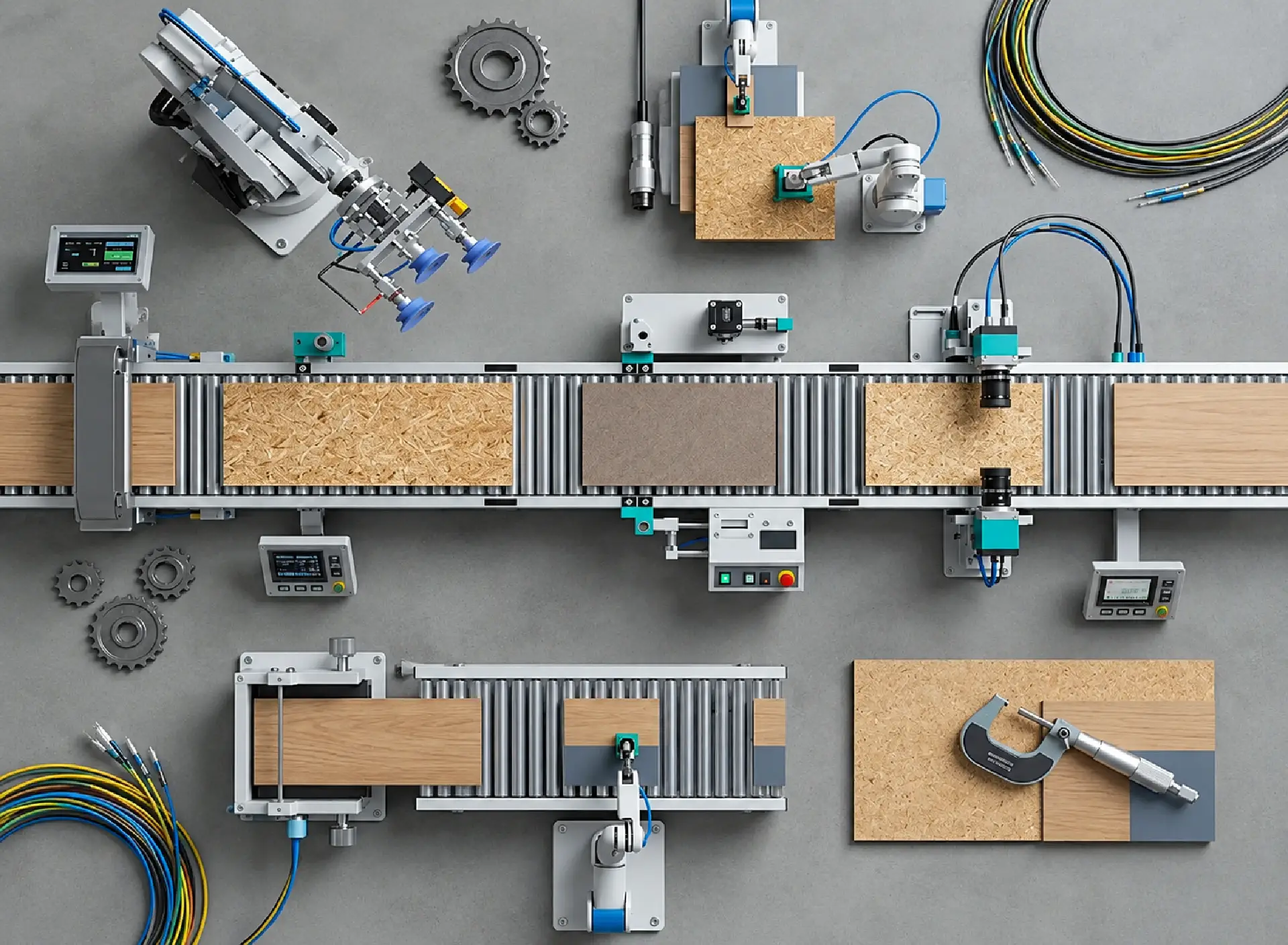
Buyers are increasingly favouring manufacturers with large-scale, well-controlled production, the kind of operation capable of producing in the range of a lakh cubic metres a year with consistent quality – over smaller, less standardised suppliers, even at a slightly higher price point. Consistency has quietly become as important a purchasing factor as cost, especially for anyone doing repeat business rather than a one-off project.
5. Circular Manufacturing Becomes a Talking Point Beyond Just Furniture
Agro-waste particleboard has always had a good sustainability story attached to it, but that story is starting to connect to a much bigger conversation happening across Indian manufacturing: circular production, where what used to be waste becomes a valuable input somewhere else in the economy.
Crop residue that used to be burned in fields, contributing directly to the air quality crisis that hits northern India every winter, is increasingly being redirected into productive use instead. Particleboard manufacturing is one of the more visible and successful examples of this idea working in practice, and it’s likely to get referenced more often as a case study as other industries look for similar opportunities to turn waste streams into inputs.
This also ties back to a subtler shift in how the industry is perceived. Engineered wood is no longer just “furniture material”; it’s increasingly discussed as part of the broader conversation around sustainable manufacturing and resource efficiency in India.
What This Means Going Forward
None of these trends is dramatic on their own, and none of them is going to reinvent the industry overnight. But together, they point toward a version of particleboard manufacturing that looks quite different from where the category stood even five or six years ago, more sustainable by default, more standardised in quality, more ready-to-use out of the box, and increasingly judged on data rather than just price.
For buyers whether that’s an architect specifying materials for a large project, a furniture manufacturer sourcing at scale, or a homeowner picking cabinetry for a renovation — the practical takeaway is simple: the questions worth asking in 2027 aren’t just “how much does it cost,” but “where did this come from, how consistent is it, and how ready is it to actually use.” Suppliers who can answer those questions clearly are the ones setting the pace for where this industry goes next.